-
You can now use Apple Pay and Google Pay online and in store.

When is the best time to visit South America?
The best time to visit South America will depend on which country – or countries – you’re planning to visit. Broadly speaking though, summer in South America runs from December to February and is considered the best time for a beach holiday, particularly in southern destinations like Argentina and Chile.
Bear in mind that summer is also the rainy season across most of South America, although how much that will affect your travel plans will depend on which destination you’re visiting. The wettest month in Patagonia – which spans parts of Argentina and Chile – is May, for example. June to August is considered an ideal time to visit this particular area for winter sports, so it’s worth doing some research on your specific destination before you book your flights.
If you’re looking for deals, it’s worth noting that March to May and September to November are considered South America’s shoulder seasons, so you may have the best chance of finding lower prices for flights and accommodation during these timeframes. We’ve looked more closely at the best time to travel to each of the South American countries below, including which currency you’ll need to take for each one.
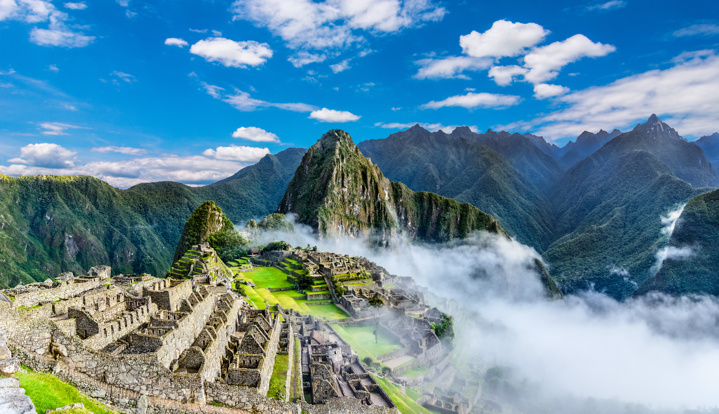
South American countries: the best time to visit each one
Argentina
Best time to visit: December to March is considered the best time for Patagonia trips, whereas September to November (spring) and March to May (autumn) are ideal for mild weather and smaller crowds in places like Buenos Aires. June to August is Argentina’s winter season and best for skiing and snow sports.
Top sight to see: Iguazu Falls, one of the world’s biggest waterfall systems, with more than 200 cascades. This UNESCO World Heritage Site is on the border between Argentina and Brazil, and the best time to see the falls in all their glory is May to September.
National currency: Argentine peso
Bolivia
Best time to visit: May to October is Bolivia’s dry season and best for clear skies, comfortable temperatures and exploring the country’s mountains, cities and national parks. November to April is a great alternative for greener scenery and fewer visitors.
Top sight to see: Salar de Uyuni, the world’s largest salt flat, in southwest Bolivia. It covers more than 10,000 square kilometres and is famous for the mirror effect created by a thin layer of rainwater reflecting the sky.
National currency: Bolivian boliviano
Brazil
Best time to visit: December to March is Brazil’s peak summer season and ideal for beaches, festivals and city breaks. June to September is a great alternative for drier weather in areas including the Amazon and Pantanal.
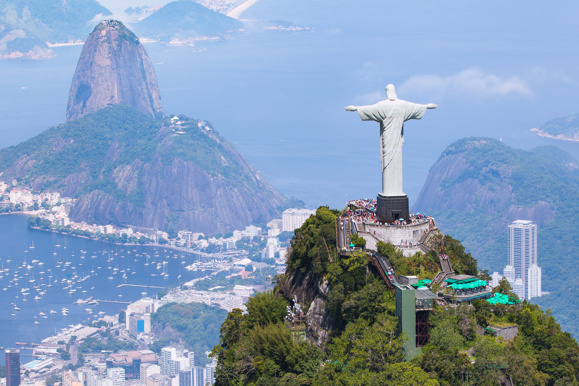
Top sight to see: Christ the Redeemer, Rio de Janeiro’s iconic mountaintop statue, which overlooks the city. One of the easiest ways to get there is via the Corcovado Train, and ticket bundles – which cost around R$134, or about £20 – usually include the entrance fee.
National currency: Brazilian real
Chile
Best time to visit: December to February is peak summer season and best for Patagonia trips and outdoor adventures. March to May is a great alternative for milder temperatures and fewer crowds in central Chile.
Top sight to see: Torres del Paine National Park, one of South America’s most famous national parks, in southern Patagonia. Visit between November and March for ideal hiking conditions and more hours of daylight.
National currency: Chilean peso
Colombia
Best time to visit: December to March is Colombia’s main dry season and ideal for beach holidays and sightseeing. July to August is another good option, with lower rainfall across much of the country.
Top sight to see: The Walled City of Cartagena, Colombia’s colourful UNESCO-listed old town on the Caribbean coast. Visit in the morning or early evening to avoid the midday heat, and read our guide to Colombian currency for helpful info like average costs.
National currency: Colombian peso
Ecuador
Best time to visit: June to September is peak season in the highlands and ideal for Andes treks. December to May is Ecuador’s warm season and a popular choice for Galapagos Islands trips.
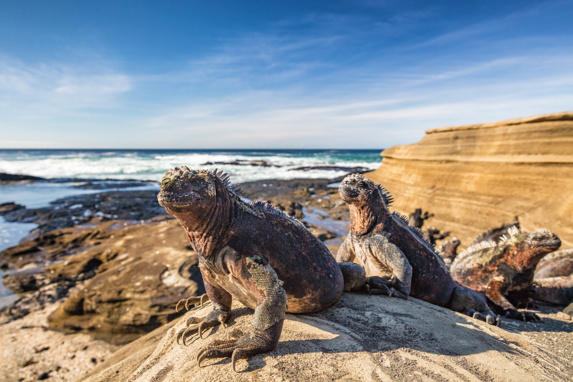
Top sight to see: The Galapagos Islands, a world-famous wildlife destination around 1,000km off Ecuador’s coast. You’ll need to take a domestic flight from either Quito or Guayaquil, and you can join a tour or explore at your own pace. There's more handy info in our Ecuador currency guide.
National currency: US dollar
Guyana
Best time to visit: September to November is shoulder season and ideal for rainforest trips and visiting Guyana’s waterfalls. February to April is another good period, often with drier conditions.
Top sight to see: Kaieteur Falls, one of the world’s tallest single-drop waterfalls, which is deep in the Amazon rainforest. Most people take a fly-in tour from Georgetown and the best time to go is from September to November – when the water flow is strong and visibility tends to be good.
National currency: Guyanese dollar
Paraguay
Best time to visit: May to September is peak season and best for comfortable temperatures ideal for sightseeing. December to February is a good alternative if you don’t mind hotter weather, as attractions are often quieter.
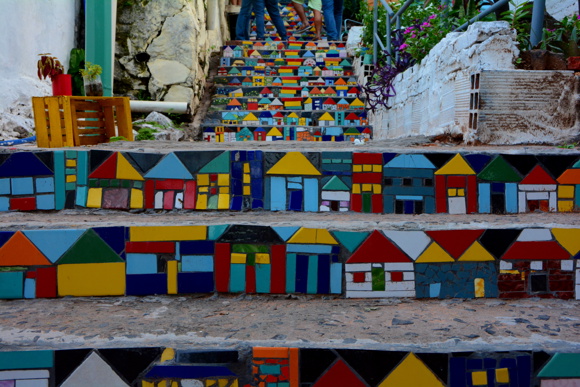
Top sight to see: The bohemian neighbourhood of Loma San Jeronimo in Asuncion. Its cobblestone streets are full of murals, cafés and artisanal markets – so don’t forget to take some cash for shopping.
National currency: Paraguayan guarani
Peru
Best time to visit: May to September is peak dry season and best for trekking and exploring the Andes. April and October are great alternatives with fewer crowds and weather that’s ideal for sightseeing.
Top sight to see: Machu Picchu, Peru’s famous Inca citadel near Cusco. Most people take the train from Cusco to Aguas Calientes, and you can take a private, group or self-guided tour.
National currency: Peruvian sol
Suriname
Best time to visit: August to November is peak season and ideal for exploring Suriname’s rainforest and rivers. February to April is another good option, often with lower rainfall.
Top sight to see: The Central Market Paramaribo, one of the country’s best-known markets and famous for its local produce and eclectic food stalls. Visit in the morning to see it in full swing, and bring some cash in the local currency – as card payments aren’t always accepted.
National currency: Surinamese dollar
Uruguay
Best time to visit: November to March is peak summer season here and best for beach holidays and visiting coastal towns. April to May is a quieter alternative if you’re looking for milder temperatures.
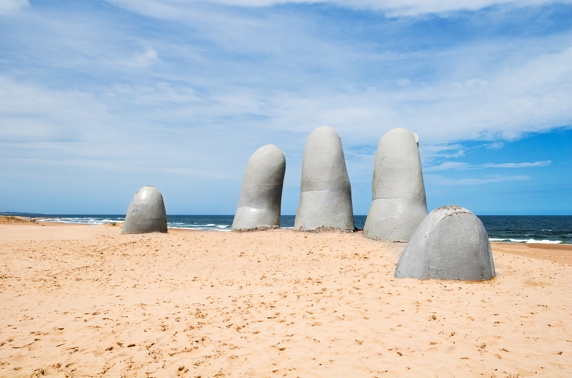
Top sight to see: Punta del Este, Uruguay’s stylish beach resort. As well as its long, sandy coastline, it’s known for the massive sculpture of a giant hand that protrudes from the sand on Playa Brava.
National currency: Uruguayan peso
Venezuela
Best time to visit: December to April is dry season and best for sightseeing and outdoor travel. June to August can be a good alternative, with greener, lusher landscapes.
Top sight to see: Angel Falls, the world’s highest uninterrupted waterfall, which is in Canaima National Park. Boat and light aircraft tours are the most common ways to get here, and the wetter months are popular times to visit thanks to stronger water flow.
National currency: Venezuelan bolívar
Don’t forget to buy currency for South America
Ready to go? Take a look at today’s exchange rates for the South American currencies available to buy from M&S Travel Money*. And if you’ve got leftover notes when you get home, you can sell selected currencies back at an M&S Travel Money bureau*.
*T&Cs apply. Subject to availability. Sell-back only available at bureau locations.
Prices quoted in this article correct at the time of writing in July 2026.
Share with your friends


