-
You can now use Apple Pay and Google Pay online and in store.

When is the best time to visit Switzerland?
The best time to visit Switzerland is between June and September if your travel plans depend on good weather. These warm, often sunny months are ideal for exploring outdoors, and opening hours for big attractions tend to be longer in summer – giving you more time to see everything.
On the other hand, December to February is the best time to go to Switzerland for a ski holiday. World-famous resorts like St Moritz and Verbier are blanketed in snow in the winter months, and Christmas markets come to life in major cities like Zurich and Geneva.
Price-wise, you may find the cheapest time to visit Switzerland is outside of these two peak seasons – but it’s worth looking for deals all year round. To help you plan your trip, we’ve covered everything from average weather to top sights in Switzerland by month. And when you’re ready to go, you can buy your Swiss francs from M&S Travel Money.
Switzerland in January
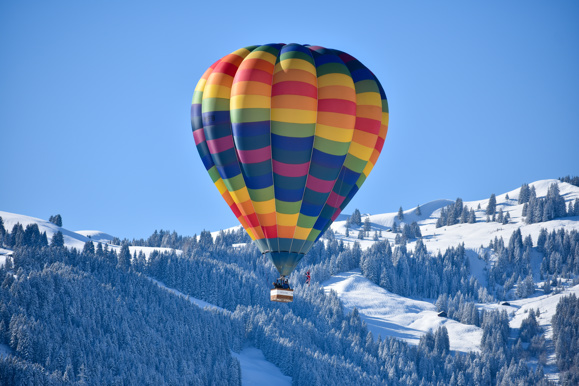
January is one of the coldest months in Switzerland, with average temperatures around 0°C and plenty of snow in the Alps. Swiss ski resorts like Zermatt, St. Moritz and Verbier are in peak season, and the International Hot Air Balloon Festival in Château-d’Oex usually takes place this month with nine days of demonstrations and competitions that bring a pop of colour to the snowy Alpine landscape.
Switzerland in February
February stays cold in Switzerland, with average temperatures around 1°C and reliable snow in high-altitude areas making this one of the best months for skiing and winter sports. Switzerland's carnival season, known as Fasnacht, starts in February across the country. Basel Fasnacht is the biggest and most famous carnival, with lantern parades, performances and brass bands. If you’re visiting the festival stalls and food markets, it’s useful to carry some Swiss francs in cash, as smaller vendors don’t always accept cards.
Switzerland in March
March marks the start of spring in lower-altitude areas of Switzerland, although ski season continues in the mountains. Average temperatures are around 5°C, with a mix of sunny days and snow showers. Cities like Basel and Zurich become easier to explore on foot as temperatures go up. The Engadin Skimarathon cross-country ski race usually takes place this month near St. Moritz, attracting thousands of cross-country skiers from around the world.
Switzerland in April
April in Switzerland marks the start of spring, which brings milder temperatures averaging around 9°C, and sees spring flowers appearing around popular destinations like Lake Geneva and Montreux. Easter markets and spring festivals take place across Switzerland, and this is a good month to visit lakeside locations like Lucerne before the summer crowds arrive. You may also find cheap deals on things like flights this month, as it’s between peak seasons.
Switzerland in May
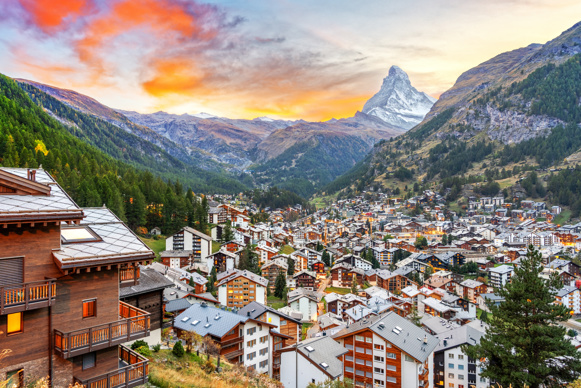
May is one of the most pleasant months to visit Switzerland when it comes to weather, with average temperatures around 14°C and greener landscapes across the country. Cities like Bern and Lausanne are ideal for sightseeing, and destinations like Interlaken – a hub for adventure sports – start welcoming hikers back to the mountains.
Switzerland in June
June is the start of summer in Switzerland, with average temperatures around 18°C and long daylight hours perfect for exploring. Alpine hiking routes start to reopen, making scenic spots like Grindelwald especially popular, although it’s worth bearing in mind that rain showers become more common towards the end of the month. The Fête de la Musique takes place this month in Geneva, with free outdoor concerts and performances filling local streets and parks.
Switzerland in July
July is one of the warmest and busiest months in Switzerland, with average temperatures around 21°C in low-altitude areas. Visitors head to scenic destinations like Lake Lucerne and Zermatt for hiking and swimming, and big events like Montreux Jazz Festival by Lake Geneva and the Tour de Suisse happen this month. Accommodation and flight prices can go up during this peak travel period, so July can be one of the most expensive months to visit Switzerland.
Switzerland in August
August stays warm, with average temperatures around 20°C, although there’s a reasonable chance of rain as well as occasional thunderstorms in mountainous areas. Switzerland celebrates Swiss National Day on 1 August with fireworks, bonfires and lakeside festivities across the country. Cities like Zurich and Geneva host outdoor events and food markets, and destinations like Lake Lugano are popular for summer swimming and boat trips.
Switzerland in September
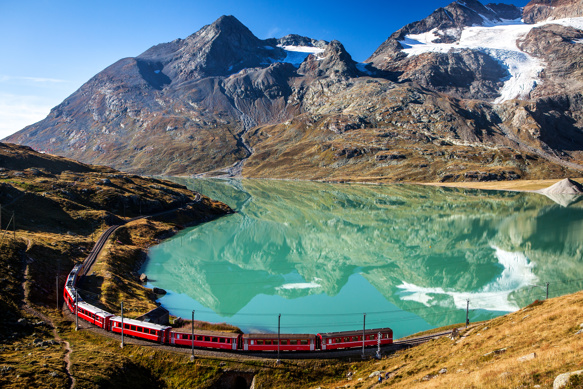
September is often considered one of the best months to visit Switzerland if you want to avoid the crowds, with average temperatures around 16°C and fewer visitors than peak summer. This is a great time to plan a scenic train journey like the Glacier Express, and autumn colours begin appearing in mountain regions around the Engadin Valley and Jungfrau Region.
Switzerland in October
October brings cooler temperatures averaging around 11°C and colourful autumn foliage across much of Switzerland. Cities like Basel and Bern are quieter than in summer, while mountain regions are at their most photogenic as the forests turn gold and orange. Bear in mind that some higher hiking routes and mountain lifts begin closing towards the end of the month ahead of winter.
Switzerland in November
November is part of Switzerland’s quieter shoulder season, with average temperatures around 6°C and shorter daylight hours. Early Christmas markets start this month in places like Basel, which is known for hosting one of Switzerland’s largest festive markets. Bring cash if you’re planning to visit any of the more rural markets, as you may find card payments aren’t accepted. This can also be a good month for lower accommodation prices before ski season begins, so it’s worth looking for deals.
Switzerland in December
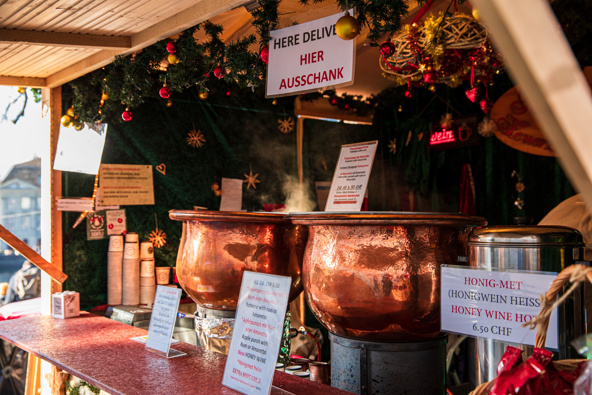
December is the start of winter and the festive travel season in Switzerland, with average temperatures around 2°C and increasing snowfall in Alpine regions. Christmas markets transform cities like Zurich, Geneva and Montreux into winter wonderlands full of lights, wooden chalets and festive food stalls. And major ski resorts like Verbier – which features in our guide to Europe’s best ski resorts for foodies – start gearing up for peak season.
Don’t forget about taking spending money for activities in Switzerland
According to Exiap, the average daily cost for visiting attractions in Switzerland is CHF 46 – just under £43.50* at the time of writing. Exactly how much spending money you’ll need will depend on your plans though, so it’s always worth checking prices ahead of your trip.
For example, the entrance fee for Chillon Castle – one of Switzerland’s most-visited historical landmarks – is around CHF 15. A one-day ski pass for the Matterhorn Glacier Paradise, on the other hand, will cost you around CHF 99 in the summer months.
Wherever you’re heading to, it’s worth taking a mixture of cash and cards to make payments with. While most places in Switzerland are all set up for card payments, cash is handy for tipping and making small purchases, particularly in rural locations.
Buying Swiss francs with Marks & Spencer Travel Money
Ready to go? Buy Swiss francs (CHF) online for free collection from 580+ participating M&S stores*.
*T&Cs apply. Subject to availability.
Prices quoted in this article correct at the time of writing in May 2026.
Share with your friends


