-
Get a £5 M&S voucher with your currency when you collect in a bureau. Find out how.

What is the currency in Peru?
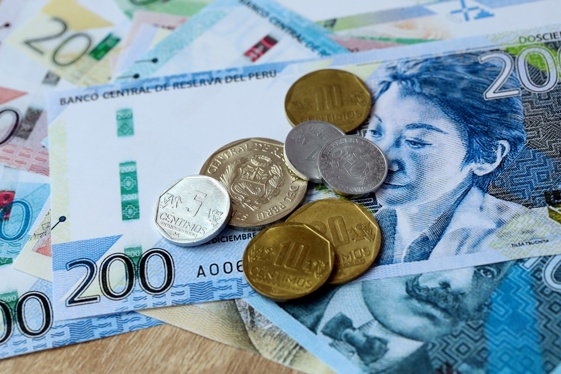
The currency in Peru is the Peruvian sol (PEN), previously known as the Peruvian nuevo sol. If you’re planning a trip to this South American destination, read our Peruvian currency guide first – it covers essential info about Peru currency denominations, average costs and accepted payment methods. And when you’re ready to go, you can buy Peruvian soles from M&S Travel Money – ready to spend when you arrive.

The Peruvian sol: everything you need to know
The first version of the Peruvian sol was introduced in Peru in 1863, replacing the Spanish colonial real. It was used until 1985, when it was replaced by the inti. In 1991, the inti was replaced by the nuevo sol – or ‘new sol’ – which remains in place as the country’s official currency today. It’s been referred to simply as the sol since 2015.
The Peruvian sol’s currency code is PEN and the symbol is S/. The plural form is soles, and each sol is divided into 100 céntimos. Peruvian currency is available in both coins and banknotes.
Peruvian sol denominations
Coins include:
5 céntimos, 10 céntimos, 20 céntimos, 50 céntimos, 1 sole, 2 soles, 5 soles
Banknotes include:
10 soles, 20 soles, 50 soles, 100 soles
Is the Peruvian sol used anywhere else in the world?
No, the Peruvian sol is only used in Peru.
What is the current exchange rate for the Peruvian sol?
Exchange rates fluctuate all the time, so use our currency calculator to check today’s pound to sol rates.
What currencies can you use in Peru?
Along with Peruvian sol, you may find that US dollars are accepted in some locations in Peru – particularly at larger businesses and in areas popular with tourists. You’ll also find that many ATMs allow you to withdraw cash in Peruvian soles or US dollars, and some businesses offer you a choice of these two currencies when paying by card. We’ve explained why it can be preferable to pay in the local currency when you’re abroad in our guide.
What payment methods are accepted in Peru?
Cash
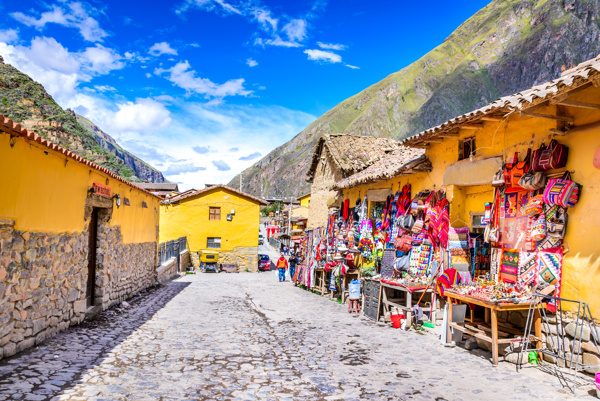
While cash usage in Peru has declined in recent years, it remains an important way to pay here – particularly away from major cities. Cash is often the only payment accepted at local markets, for example, and it can also be handy for paying for public transport. Tipping in Peru is optional, but leaving around 10% of the total bill in a restaurant is customary if there’s no service charge included, and rounding up the bill or leaving your change as a tip in a cafe or bar is appreciated.
Debit and credit cards
Debit and credit cards are widely accepted in Peru's cities, especially in hotels, restaurants, supermarkets and larger shops. Visa and Mastercard are the most commonly accepted card networks, while American Express may not be accepted everywhere. If you're planning to visit rural areas or independent cafés and market stalls, it's worth carrying some cash as a backup. And before you travel, check whether your bank charges foreign transaction or cash withdrawal fees to avoid any unexpected costs.
Digital wallets
Digital payments are growing quickly in Peru, with contactless card payments becoming increasingly common in urban areas. Apple Pay and Google Pay are widely accepted at businesses that support contactless payments, although you may not be able to use these everywhere – especially outside of larger towns and cities. Local mobile payment platforms like Yape and Plin are also popular in Peru, but these are mainly designed for residents with Peruvian bank accounts. For visitors, carrying a mix of cash and cards is the most reliable way to pay throughout your trip.
How much money should I take with me to Peru?
Your travel budget in Peru will depend largely on your plans there, so it’s a good idea to research costs before you go. Entrance fees for major attractions can vary by season, and you’ll need to book popular attractions in advance as they may sell out. As an example, the entrance fee for Machu Picchu – a 15th-century Inca citadel and UNESCO World Heritage Site – starts from around 152 Peruvian soles (about £37), although there are several routes to pick from – all with different prices. If you’re not sure how much cash to take with you, bear in mind that you can sell your leftover notes back at an M&S Travel Money bureau when you get home – so you don’t need to worry about being left with lots of foreign currency.*
At the time of writing, the cost of living in Peru is over 50% lower than it is in the United Kingdom, so you’re likely to find some things are up to half the price compared to costs back home. To give you a better idea of how much money to budget, we’ve listed some example costs in Peru vs the UK below* – just bear in mind these prices are illustrative.
A mid-range three-course meal for two: £65.00 in the UK vs £21.92 (S/.100.00) in Peru
A small domestic draught beer: £5.00 in the UK vs £1.75 (S/.8.00) in Peru
A regular cappuccino: £3.55 in the UK vs £2.23 (S/.10.17) in Peru
A one-way ticket on local transport: £2.50 in the UK vs 44p (S/.2.00) in Peru
*Example prices from Numbeo.com correct as at July 2026. All prices are illustrative.
Buying Peruvian soles with Marks & Spencer Travel Money
Ready to go? Don’t forget to take some local currency in cash. You can buy Peruvian sol to collect for free from 580+ participating M&S stores*.
*T&Cs apply. Subject to availability. Sell-back only available at bureau locations.
Share with your friends


