-
You can now use Apple Pay and Google Pay online and in store.

What is the currency in Brazil?
Brazil’s currency is the Brazilian real, which is what you’ll need to take if you’re planning to visit this South American destination. From the bright lights of Rio de Janeiro and São Paulo to the incredible landscapes of Iguaçu Falls and the Amazon Rainforest, there’s plenty here to fill your travel itinerary. To help you plan your trip, we’ve covered everything you need to know about the currency of Brazil – so you can buy your Brazilian reais ahead of time. From currency denominations to exchange rates, here’s what you need to know.
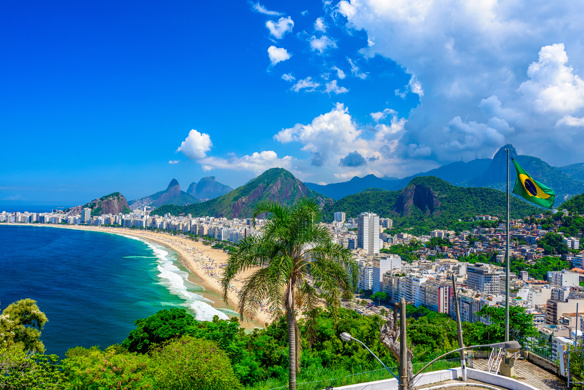
The Brazilian real: everything you need to know
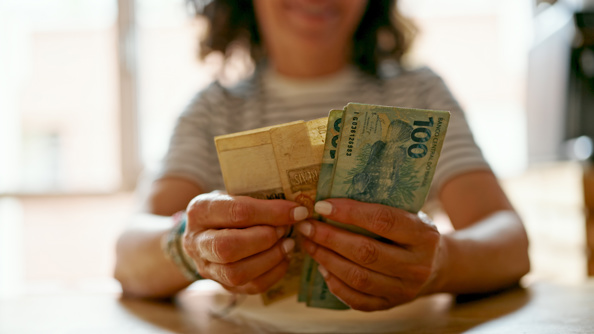
The Brazilian real has been the official currency and legal tender of Brazil since 1994, when it replaced the Cruzeiro real. Its currency code is BRL and it’s represented by the symbol R$. The currency comes in both coins and banknotes, so it’s worth getting familiar with both.
Brazilian real denominations
Coins include:
5 centavos, 10 centavos, 25 centavos, 50 centavos, R$1
Banknotes include:
R$2, R$5, R$10, R$20, R$50, R$100, R$200
Is the Brazilian real used anywhere else in the world?
No, the Brazilian real is only used in Brazil. If you’ve got leftover Brazilian real notes when you get back from Brazil, you can sell currency back at an M&S Travel Money bureau*.
What is the current exchange rate for the Brazilian real?
Exchange rates fluctuate constantly, so use our currency calculator to check today’s GBP to BRL rate.
What currencies can you use in Brazil?
The Brazilian real is the only legal tender in Brazil, and alternative currencies generally won’t be accepted here. Having said that, you may be given the option to pay in GBP or BRL when you pay by card. We’ve explained why it’s often advisable to pay in the local currency when you’re abroad to avoid additional fees.
What payment methods are accepted in Brazil?
Cash
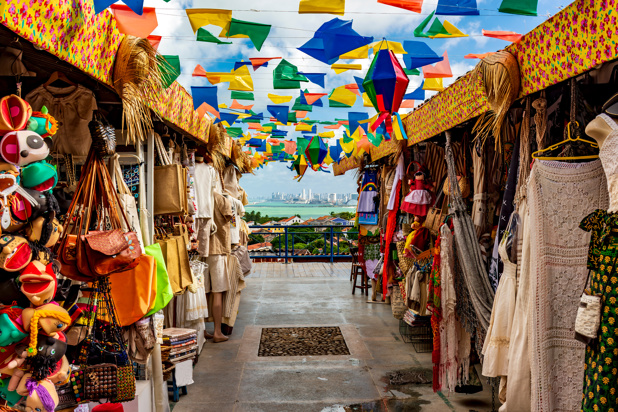
Although Brazil has become increasingly cashless in recent years, it’s still a good idea to carry some Brazilian real in cash while you travel. Notes and coins can be useful for small purchases, tipping and buying things like Pao de Queijo – traditional Brazilian cheese bread – from street food stalls and markets. Cash can also come in handy if you’re visiting more remote areas or smaller towns, where cards aren’t always accepted.
Debit and credit cards
Card payments are widely accepted across Brazil, particularly in cities and tourist destinations. Restaurants, hotels, shops, supermarkets and many transport providers generally accept major international cards like Visa and Mastercard, but American Express may be less widely accepted – so always check before you travel and carry several payment options.
Digital wallets
Digital payments are widely used in Brazil, and both Google Pay and Apple Pay are accepted here. Many businesses also accept Pix, Brazil’s instant payment system, which has become one of the most widely used payment methods for residents. In larger cities and tourist areas, contactless payments through digital wallets are generally available, but it’s worth carrying a card and some cash as a backup or if you’re visiting more rural locations.
How much money should I take with me to Brazil?
Your travel plans in Brazil will have a bearing on how much spending money you’ll need, so it’s helpful to have a general idea of costs before you go. Check entrance prices to major attractions ahead of time, as they can vary significantly. If seeing Christ the Redeemer is top of your wishlist, for example, you could spend anything from R$87 for a combined entrance and train ticket, up to R$600+ for a guided tour with pick-up and transport.
At the time of writing, the cost of living in Brazil is around 50.9% lower than it is in the United Kingdom, so you’re likely to find prices at shops and restaurants in Brazil are significantly lower – and sometimes around half the price – compared to those in the UK. To give you a better idea of how much money to budget, we’ve listed some example costs in Brazil vs the UK below** – just bear in mind these prices are illustrative.
A mid-range three-course meal for two: £65.00 in the UK vs £24.51 (R$165.00) in Brazil
A small domestic draught beer: £5.00 in the UK vs £1.49 (R$10.00) in Brazil
A regular cappuccino: £3.55 in the UK vs £1.54 (R$10.36) in Brazil
A one-way ticket on local transport: £2.50 in the UK vs 74p (R$5.00) in Brazil
Buying Brazilian real with Marks & Spencer Travel Money
Planned your trip? Don’t forget to take some local currency in cash. You can buy Brazilian real online to collect for free from 580+ participating M&S stores*.
*T&Cs apply. Subject to availability. Sell-back only available at bureau locations.
**Example prices from Numbeo.com correct as at June 2026. All prices are illustrative.
Share with your friends


