-
You can now use Apple Pay and Google Pay online and in store.

When is the best time to visit Hong Kong?
The best time to visit Hong Kong will depend on your plans there, but November is often considered a good choice thanks to warm and sunny autumnal weather, minimal rain and low humidity. November also avoids Hong Kong’s typhoon season – which runs from June to October, and peaks between July and September.
If you’re planning to visit this region of China – which sits on the country’s southern coast but has its own currency and economic system – it’s worth factoring in things like average costs, special events and holidays, too. We’ve covered all the essentials in this month-by-month guide, including things to do in Hong Kong at different times of the year.
When you’re ready, you can buy Hong Kong dollars before you set off – so you can start exploring as soon as you step off the plane.
Hong Kong in January
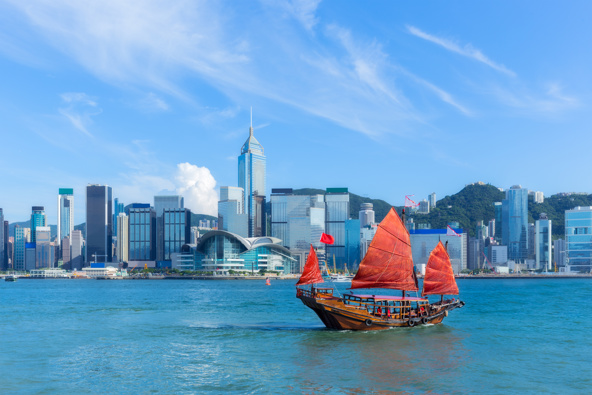
January tends to be cool and dry in Hong Kong, with temperatures that can range from around 14°C to 19°C. Days are a mix of sunny and pleasant and cold and cloudy, so it’s worth packing for both options. Chinese New Year sometimes falls in January, and Hong Kong locals enjoy a three-day public holiday for what is one of the city’s biggest festivals. Just bear in mind the date changes each year according to the Chinese lunisolar calendar.
Hong Kong in February
February is still relatively cool, with temperatures ranging from around 14°C to 19°C, although humidity and rainfall begin to increase. Chinese New Year can also fall in February, and in 2027 February 6th will mark the start of the Year of the Goat. Visit Hong Kong this month and you can expect parades, lanterns, flower markets and traditional celebrations. It’s worth carrying some Hong Kong dollars if you’re visiting the markets, as smaller stalls may prefer cash.
Hong Kong in March
March marks the start of warmer weather in Hong Kong, with temperatures ranging from around 16°C to 21°C. It can be a little more humid, cloudy and occasionally foggy, with some light rain that often increases towards the end of the month. The first month of spring is also a busy time for events – March is Hong Kong Arts Month, with international exhibitions and fairs. And Hong Kong Flower Show usually takes place across several days this month, with elaborate displays in Victoria Park.
Hong Kong in April
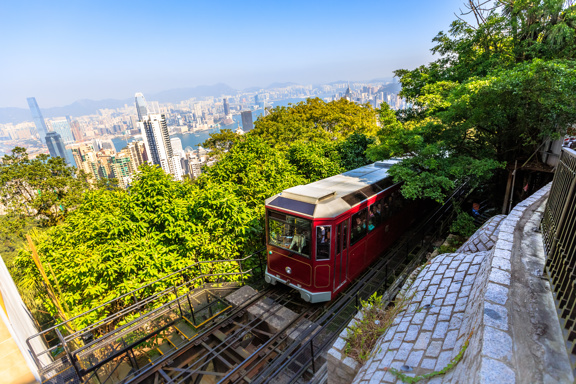
April is warmer and more humid than March, with temperatures ranging from around 20°C to 25°C. Rainfall increases as spring progresses, and mist and drizzle can occasionally affect visibility, particularly towards the start of the month. The city's spring events continue, and the milder temperatures make exploring outdoors more pleasant. Wander through districts like Central and Sheung Wan, ride the Peak Tram – one of the world's oldest and most famous funicular railways – or hike through Hong Kong’s lush countryside.
Hong Kong in May
May sees a rise in temperature, with highs often around 29°C and increasing humidity. Rain becomes more frequent as the summer wet season gets underway, and thunderstorms are possible. Traditional celebrations like Buddha’s Birthday – which is a public holiday – take place around this time, with temples and public spaces hosting cultural events and performances. It’s also a good month to take the ferry over to Cheung Chau island – bring cash to pay for the fare if you don’t have an Octopus card, which is a bit like London’s Oyster card.
Hong Kong in June
June is fairly hot, humid and wet, with temperatures generally ranging from around 26°C to 30°C. It's one of Hong Kong’s wettest months, with frequent heavy showers and thunderstorms, so it’s worth planning an itinerary that can flex around the weather. The Dragon Boat Festival is a highlight this month, with races taking place at Victoria Harbour and Stanley. It’s a public holiday in Hong Kong, so bear in mind some businesses and attractions may be closed.
Hong Kong in July
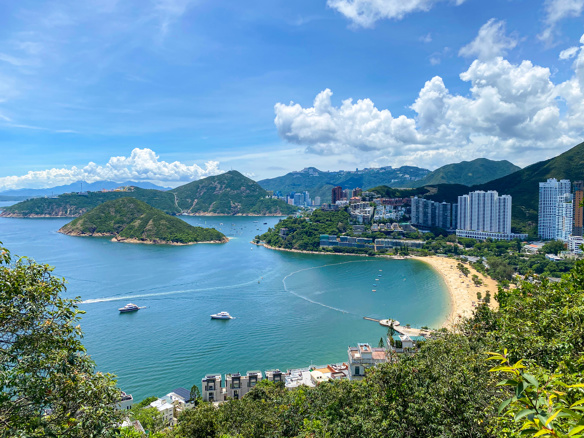
July is hot and humid, with temperatures often reaching around 31°C during the day and remaining warm at night. Heavy showers and thunderstorms are common, as July falls within Hong Kong’s typhoon season, although there can also be spells of fine, dry weather. Summer events and entertainment take place across the city, making this a lively time to visit. Cool off at a beach like Repulse Bay on Hong Kong Island, hit the shops of Causeway Bay, or head for a day at Hong Kong Disneyland – just check the weather forecast and pack an umbrella.
Hong Kong in August
August is typically the hottest and wettest part of the year, with temperatures around 26°C to 31°C and high humidity. Heavy rain and thunderstorms are common and tropical cyclones are possible, so this is a great month to make the most of Hong Kong’s air conditioned indoor spaces. That includes lots of inter-connected shopping malls, underground walkways and museums and galleries in West Kowloon.
Hong Kong in September
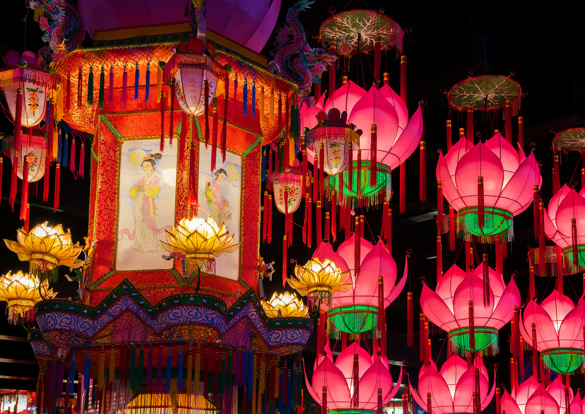
September in Hong Kong is hot and humid, with temperatures ranging from around 26°C to 30°C. Expect frequent, heavy rain showers and thunderstorms as this is still part of the active typhoon season. Towards the end of the month, lantern displays illuminate the city as part of the Mid-Autumn Festival, which also features the Tai Hang Fire Dragon Dance – when a huge dragon covered in thousands of burning incense sticks dances through the streets to a soundtrack of gongs and drums.
Hong Kong in October
October brings a welcome change in weather to Hong Kong, with temperatures dropping to around 23°C to 28°C and rainfall becoming much lower than in summer. The humidity eases too, making this one of the best months for sightseeing and outdoor activities. The Mid-Autumn Festival can continue into October, and places like Hong Kong Disneyland and Ocean Park often feature themed Halloween attractions.
Hong Kong in November
November is one of the best months to visit Hong Kong, with comfortable temperatures of around 19°C to 24°C, low rainfall and plenty of sunshine. Humidity is lower than in the summer, making it ideal for sightseeing, hiking and exploring places like Temple Street Night Market on foot. Take a trip up The Peak or stroll along the Tsim Sha Tsui waterfront for amazing views. Hong Kong WinterFest also begins around this time, with festive decorations and seasonal events appearing across the city.
Hong Kong in December
December is cool, dry and generally sunny, with temperatures ranging from around 15°C to 21°C. It’s one of the driest months of the year, although evenings can feel chilly – so pack layers. Hong Kong WinterFest continues this month and into January, with Christmas decorations, seasonal celebrations and a festive atmosphere that builds up to the New Year countdown. Concerts and light shows take place all over the city, with a huge fireworks display on Victoria Harbour.
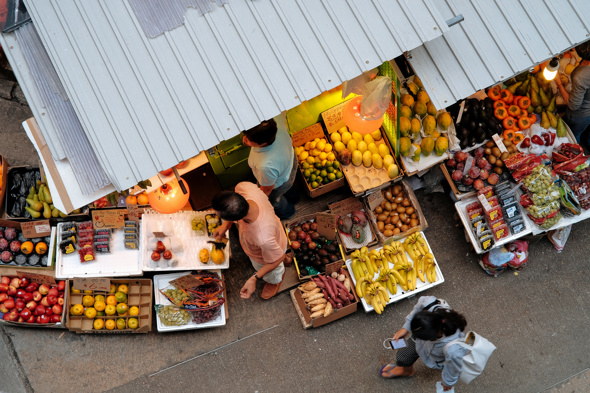
Don’t forget about taking spending money for activities in Hong Kong
According to Exiap, the average daily cost for visiting Hong Kong is around HKD 1,365, or £129. That will vary hugely based on your plans and travel style, so always check prices before you go and book popular attractions in advance.
Cash is still a popular payment method in Hong Kong, especially at markets and small businesses. If you’re not sure how much cash to take, bear in mind you can sell foreign currency notes back at an M&S travel money bureau if you’ve got any leftover after your trip.
Buying Hong Kong dollars with Marks & Spencer Travel Money
Ready to go? Buy Hong Kong dollars (HKD) online for free collection from 580+ participating M&S stores, including Simply Foods*.
*T&Cs apply. Subject to availability. Sell-back only available at bureau locations.
Prices quoted in this article correct at the time of writing in September 2026.
Share with your friends


