-
Get a £5 M&S voucher with your currency when you collect in a bureau. Find out how.

When is the best time to visit Australia?
The best time to visit Australia is often considered to be autumn (March to May) or spring (September to November), as these timeframes avoid the extremes of Australia’s summer and winter seasons. Having said that, Australia is the world’s sixth-largest country by land area and it spans multiple climates, so the best time to visit will depend on which area you’re planning to travel to.
When is summer in Australia?
Summer in Australia runs from December to February, making this peak season in Australian cities like Sydney, Melbourne and Perth. But the same timeframe in the north is the wet season, so locations like Darwin, Cairns and the Great Barrier Reef region experience heavy rain and monsoons at this time of year.
When is winter in Australia?
Winter in Australia runs from June to August, as the seasons are the opposite to the UK’s. But winter doesn’t necessarily mean cold weather across Australia, and some areas, like the tropical north, enjoy warm and dry conditions during these months, making winter a popular time to visit.
To help you decide when to go, we’ve covered the best time to visit Australia based on weather, travel trends and things to do in Australia below. Before you go, you can also buy Australian dollars (AUD) so you’ve got currency ready to spend when you arrive.
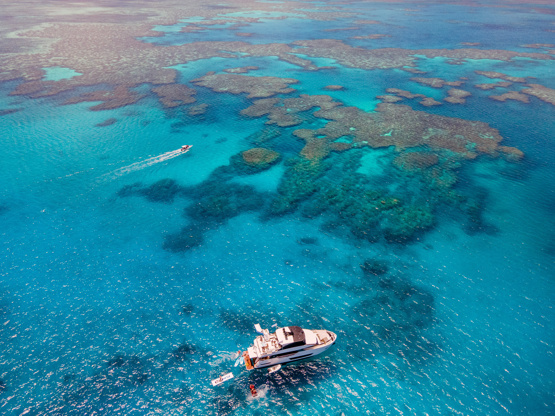
Australia in January
January is summer in Australia and one of the busiest times to visit. Temperatures are warm to hot across much of the country, although the tropical north is in its wet season, bringing high humidity and heavy rainfall. Temperatures vary hugely depending on the region. For example, Melbourne – which hosts the Australian Open this month – averages around 27°C in January, whereas temperatures in inland cities like Alice Springs average 36°C but can exceed 40°C.
Australia in February
February is the last month of summer in Australia, with hot, sunny weather in many areas including Perth and Brisbane, compared to wet and humid conditions in the tropical north. Temperatures in Sydney are warm to hot this month – around 27°C on average – so it’s a popular time to visit for beach holidays and Mardi Gras, which starts mid-month. Adelaide Fringe, one of the world's biggest arts festivals, also takes place in February.
Australia in March
March marks the beginning of autumn and is a popular month for travelling around Australia, as temperatures in many areas ease a little but it’s still pleasantly warm. Across the country, temperatures range widely – from lows of around 9°C in places like Collinsvale, Tasmania, to highs of 34°C at Kings Canyon in central Australia, so look closely at weather conditions in the area you’re travelling to before you book. Margaret River in Western Australia is a great choice this month if you want to explore beaches, vineyards and coastal scenery, while Sydney's Mardi Gras often spills over into March.
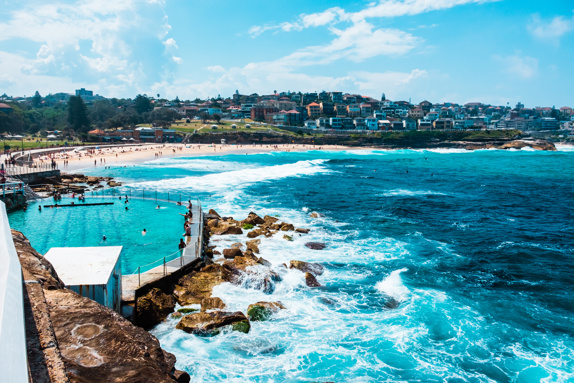
Australia in April
April is mid-autumn in Australia, meaning much of the south and east enjoys comfortable temperatures and the tropical north starts to emerge from the wet season. Temperatures in Melbourne, on the southeastern coast, average 20°C, while Cairns on the northeast coast rises to around 30°C. April can be a good time to explore central Australia – known as the Red Centre – when conditions can be more comfortable than the summer months for visiting famous sights like Uluru, also known as Ayers Rock.
Australia in May
May is late autumn and a particularly good month for exploring Australia, with cooler temperatures in the south and the tropical north embracing its dry season. Noosa, on Queensland’s Sunshine Coast, is a good choice for warm-weather escapes this month, with beaches and national parks to explore. Bring some cash to spend on street food at Noosa Eat & Drink Festival, which brings chefs, producers and food-focused events to the beachfront.
Australia in June
June marks the start of winter in Australia, but that doesn't equal cold weather everywhere. While southern cities become noticeably cooler, the tropical north is in its dry season, making it a good time to explore places like Darwin and the World Heritage site of Kakadu National Park.
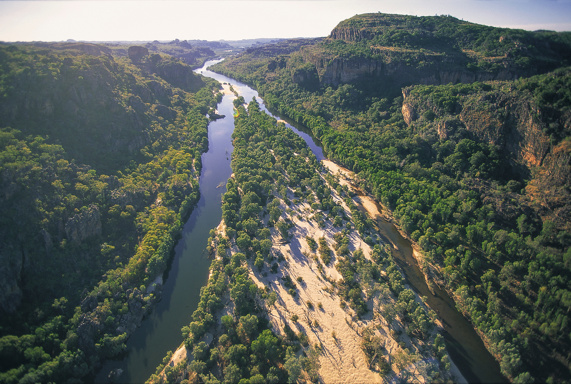
Australia in July
July is winter in Australia, with cool or cold weather across the south but warm, dry conditions in the north. Broome is a good choice this month, when its dry-season weather makes it easier to enjoy Cable Beach and the surrounding Kimberley region, which is full of vast gorges and waterfalls. Cairns and the Great Barrier Reef are also popular this month thanks to calm seas that are ideal for snorkelling and scuba diving.
Australia in August
August is the final month of winter, with the tropical north still enjoying its dry season while southern Australia edges towards spring. Temperatures vary from region to region, with Perth averaging around 18°C and Cairns around 26°C. The Whitsundays are a particularly good choice for mild to warm weather, island scenery and access to the Great Barrier Reef.
Australia in September
September is the start of spring in Australia and considered one of the best months to travel more widely thanks to warming temperatures in the south and dry-season conditions still holding in the north. Temperatures in Sydney average 21°C, and Perth is around 20°C, so temperatures are ideal for sightseeing. Canberra is another good option this month to see the spring flowers, particularly during Floriade – when the city comes alive with blooms.

Australia in October
October is mid-spring, bringing warmer days across southern Australia, while the tropical north approaches the end of its dry season. If you’re planning a city break, Sydney averages 23°C this month and Brisbane is around 26°C. The island of Tasmania is also a good option in October for spring scenery, hiking and wildlife spotting.
Australia in November
November is late spring in Australia and generally warm across much of the country, although the tropical north starts to move into its wet season. Melbourne is a good choice this month for a city break with food, culture and sport, particularly around the Melbourne Cup – Australia's famous horse-racing event held on the first Tuesday of November.
Australia in December
December marks the beginning of summer and the start of the country's peak Christmas and New Year travel period. Southern Australia is generally warm and sunny, while the tropical north is entering its wet season, with high humidity and more rain. Sydney sees average temperatures around 26°C, which is perfect for winter sun holidays if you’re travelling from the UK, and the city hosts one of the world's most widely watched New Year's Eve fireworks displays. Just bear in mind prices for things like flights and accommodation tend to go up this month in line with the Christmas holidays in the UK.
Don’t forget to take spending money for activities in Australia
The currency in Australia – which includes islands like Tasmania and the Whitsundays – is the Australian dollar. According to Exiap, the average daily spending money you’ll need for Australia is around AUD 231, or £123. That’s a very broad figure, so always check prices before you travel to get an idea of how much to budget, and carry cash as well as cards so you have a variety of payment options.
If you’re not sure how much to take, bear in mind you can sell leftover foreign currency notes back at an M&S Travel Money bureau*. And if you want more average costs for things like meals and transport, take a look at our currency guide to Australian dollars.
Buying Australian dollars with Marks & Spencer Travel Money
Booked your trip? Buy Australian dollars (AUD) online for free collection from 580+ participating M&S stores, including Simply Foods*.
*T&Cs apply. Subject to availability. Sell-back only available at bureau locations. Prices quoted in this article are correct at the time of writing in November 2026.
Share with your friends


