-
Get a £5 M&S voucher with your currency when you collect in a bureau. Find out how.

When is the best time to visit Sri Lanka?
When it comes to weather, the best time to visit Sri Lanka will depend on which area you’re heading to. December to March is considered peak season on the southwest and western coasts, for example, which are popular spots for Sri Lanka holidays. These months avoid the country’s southwest monsoon season, which runs from May to September.
The northeast monsoon, meanwhile, brings heavy rain from December to February, so areas like Trincomalee and Batticaloa are best visited outside of these months if weather dictates your travel plans. Having said that, daytime temperatures in Sri Lanka are around 30°C all year round, so you can usually avoid the rain by basing yourself in a different part of the island.
We’ve looked more closely at the best time to go to Sri Lanka in this article, including weather, travel trends, annual events and things to do there. Once you’ve got essentials like flights and accommodation booked, don’t forget to buy Sri Lankan rupees for your trip.
Sri Lanka in January
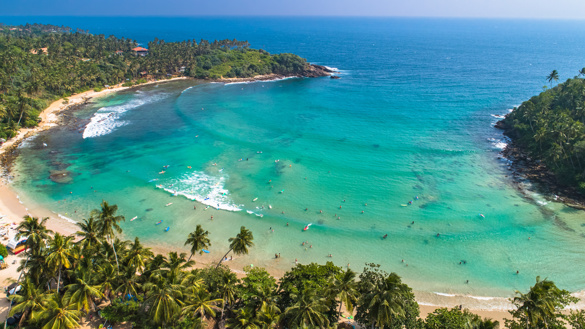
January is one of the most popular months to visit Sri Lanka, thanks to dry, sunny weather along the west and south coasts and in the Cultural Triangle – an area that connects the World Heritage sites of Anuradhapura, Polonnaruwa, and Kandy. Average daytime temperatures reach around 30°C and seas are calm, so beach holidays are popular with travellers seeking some winter sun. As this is peak season in Sri Lanka, prices for flights and accommodation are often at their highest around this time, and popular sights can be busier than off-peak months.
Sri Lanka in February
Dry season continues in February in Sri Lanka, with plenty of sunshine and low rainfall across much of the island making this another peak travel month. Temperatures stay around the 28-31°C mark, so it’s ideal weather for beach days and sightseeing trips to cities like Colombo, the capital. Highlights here include the nightly food market at Galle Face Green – bring Sri lankan rupees in cash to sample local specialities like kottu – a chopped up flatbread dish – as many of the vendors don’t accept card payments. Sri Lanka’s Independence Day is also celebrated this month, with lots of parades and performances – especially in the capital.
Sri Lanka in March
Temperatures rise a little in March, with average highs from 31-33°C, particularly inland. Rainfall is still minimal, so travel conditions are good, but the heat can feel intense if you’re sightseeing in the middle of the day. Visitor numbers often dip slightly as the dry season approaches its end, so you might find prices for things like flights and accommodation are a little cheaper than the previous months. Medin Full Moon Poya often falls in March – the date changes according to the full moon – and locals celebrate this important Buddhist event with a public holiday.
Sri Lanka in April
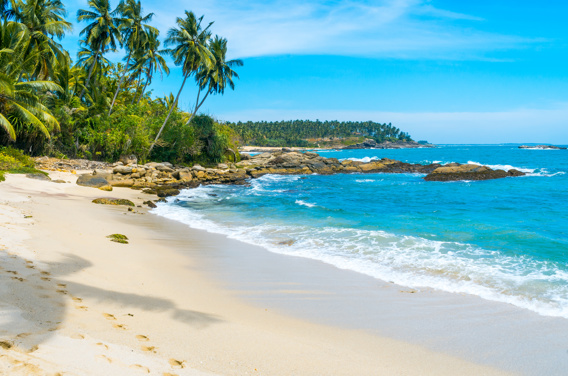
April is one of the hottest months in Sri Lanka, with temperatures often reaching 33-34°C and humidity levels high. Short rain showers can appear toward the end of the month as the southwest monsoon season gets closer. Despite the heat, April is a good time to visit if you’re keen to experience the country’s Sinhala and Tamil New Year celebrations. This happens in mid-April, when families come together to celebrate the end of the harvest season and the start of a new solar year.
Sri Lanka in May
Sri Lanka’s southwest monsoon starts in May, bringing heavier rainfall to the south and west coasts and Sri Lanka’s Hill Country – the central highlands area known for its tea plantations and misty mountains. Temperatures stay around 30-32°C, although cloud cover and rain can make it feel quite humid. Visitor numbers drop due to the weather, and prices often do, too. Vesak, one of the most important Buddhist festivals in the calendar, usually takes place this month, with lanterns and illuminated displays decorating streets across the country.
Sri Lanka in June
The southwest monsoon is in full swing in June, with frequent rain and rough seas along the west and south coasts. Average temperatures still hover around 28-30°C, although it’s slightly cooler in the central highlands. The weather is drier on the east coast, so this is the area to head to if you’re planning a beach holiday in June. Places like Arugam Bay are popular with surfers, and June is when the waves are at their best. The sand here is dotted with pop-up street food stalls, so it’s worth bringing some cash for these. Compared to July and August, June is relatively quiet – so this can be a great time to visit before the summer holiday crowds.
Sri Lanka in July
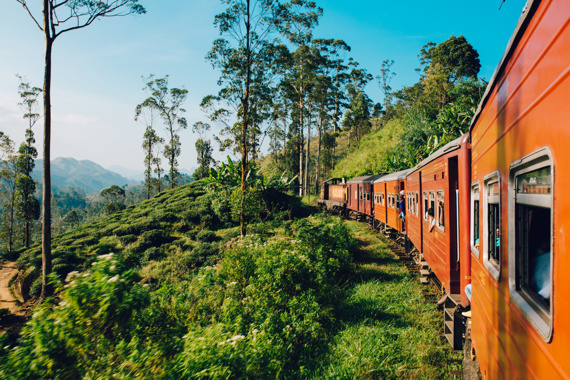
July’s weather varies by location. While it’s still wet in the southwest, the east coast stays mostly dry and sunny, with temperatures peaking at around 31°C. One of Sri Lanka’s most famous events, the Esala Perahera in Kandy, usually starts this month. It’s one of the country’s oldest and biggest festivals and the colourful processions draw huge crowds, so it’s worth booking accommodation in Kandy well in advance if you want to see it.
Sri Lanka in August
August follows a similar weather pattern to July in Sri Lanka, with sunshine along the east coast and monsoon rains in the southwest. Temperatures stay warm, averaging around 29-31°C. And the Esala Perahera festival often continues into August, meaning Kandy stays busier than other areas on the island. August can be a great time to visit Sri Lanka for wildlife viewing – the dry season brings out the animals at places like Yala National Park, so you might see leopards, sloth bears and elephants.
Sri Lanka in September
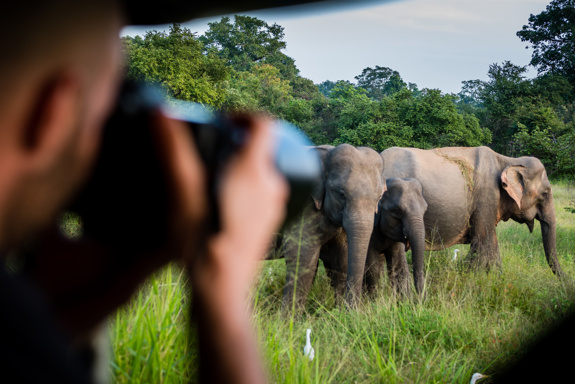
September is a shoulder month in Sri Lanka – rain in the southwest starts to ease off and weather conditions begin to balance out across the island, with mostly dry conditions in the east, especially at the start of the month. Average temperatures sit between 28 and 30°C, with occasional showers still possible wherever you’re staying. Because of this, tourist numbers are generally lower than the previous months, and prices for flights and accommodation are often lower. Wildlife-spotting is a popular activity in September, particularly at locations like Minneriya National Park and Kaudulla National Park.
Sri Lanka in October
October is one of the wettest months of the year in Sri Lanka – it’s part of the inter-monsoon period, so rain can affect most parts of Sri Lanka at different times. Temperatures are still warm at around 27-29°C, and humidity is high. Tourism is quieter during this time, and travel costs tend to be lower. Diwali, the Hindu Festival of Lights, is usually celebrated in October or November depending on the lunar cycle, and the celebrations span five days – so you may find some shops and businesses are closed during this time.
Sri Lanka in November
November brings the start of the northeast monsoon with it, so rain increases in the north and east but decreases in the south and west. Temperatures average around 28-30°C, and you’re likely to see more sunshine towards the end of the month. Visitor numbers tend to rise as the high season approaches. Poya Day in Sri Lanka is a significant Buddhist holiday that usually falls this month, so bear in mind that many businesses will be closed on this date – which changes every year.
Sri Lanka in December
December is the beginning of peak season in Sri Lanka, with dry, sunny weather on the south and west coasts and the Cultural Triangle. Average temperatures range from 27-30°C, so beach holidays, safaris and sightseeing trips are all on the agenda and this is a popular month for visitors looking for long-haul winter sun – so prices for flights from the UK can increase around now.
When is rainy season in Sri Lanka?
Sri Lanka’s rainy season varies from one region to another, but most of the island sees increased rainfall between May and October. This tends to be short downpours rather than constant rain. Unpredictable weather can carry on into October and November, during the inter-monsoon period.
When is monsoon season in Sri Lanka?
Sri Lanka has two monsoon seasons: the southwest monsoon from May to September, which affects the south, west and Hill Country, and the northeast monsoon from November to January, which affects the north and east regions. If you want to avoid the monsoons, check which area your destination falls into before making your travel plans.
What is the hottest month in Sri Lanka?
April is usually the hottest month in Sri Lanka, with average daytime temperatures that can reach 33-34°C, especially inland. High humidity can make it feel even warmer, particularly in the build-up to the April inter-monsoon rains.
Don’t forget about taking spending money for activities in Sri Lanka
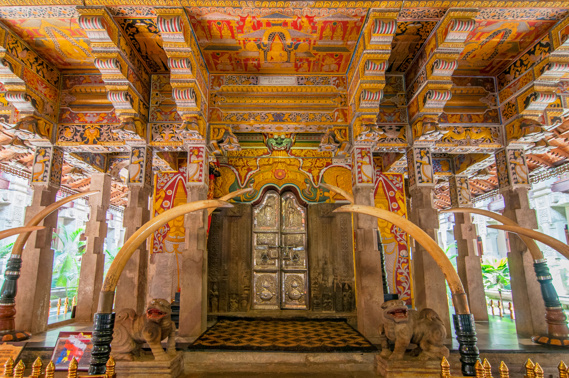
Sri Lanka’s got no shortage of amazing sights. The Temple of the Sacred Tooth Relic in Kandy, for example, draws thousands of local and international visitors every day and hosts the annual Esala Perahera festival. The entrance fee for foreign adults is around 2,000 LKR – just under £5 at the time of writing – and you’ll need to pay by card at the machines at the temple entrance.
For other top attractions, like Petta Market – the biggest and most famous market in Colombo – you’ll need to pay for small purchases like souvenirs and street food in cash. The same applies if you plan to take a tuk-tuk to get to the market, as most drivers aren’t set up to take card payments.
Buying Sri Lankan rupees with Marks & Spencer Travel Money
Ready to go to Sri Lanka? Buy Sri Lankan rupees online for free collection from 580+ participating M&S stores*.
*T&Cs apply. Subject to availability.
Share with your friends


