-
You can now use Apple Pay and Google Pay online and in store.

When is the best time to visit Japan?
The best time to visit Japan depends on where you’re planning to stay, and what you’re planning to do on your trip. Because of the way Japan’s four main islands stretch such a huge distance from northeast to southwest, weather conditions in one location can be vastly different to another at the same time of year.
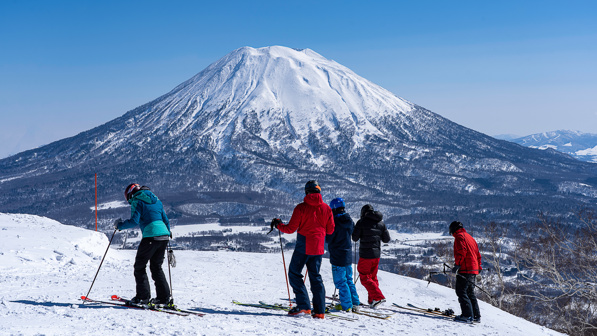
If you’re planning to ski, for example, you’ll want to visit a location in the north – like Hokkaido – during the winter months of November to February, when the area is covered in snow. But if you’re planning a beach break, southern spots like Okinawa are best visited in March or April, when it’s sunny but well outside of typhoon season.
Spring is also the best time to visit Japan for cherry blossom season, but your best chance of seeing the sakura in full bloom will depend on where you’re staying. Northern locations like Hokkaido can see a late bloom well into May, whereas the trees can begin to flower as early as March in the capital of Tokyo.
We’ve taken a closer look at the best time to go to Japan month by month, including things to do, peak and off-peak seasons, and average weather. When you’re ready to go, don’t forget to buy your Japanese yen – ready to spend on your East-Asian adventure.
Japan in January
January is midwinter in Japan, and one of the coldest and driest months of the year – with plenty of crisp, clear days that are ideal for sightseeing. There’s also a good chance of snow in many northern locations, making January a popular month for skiing at resorts like Hokkaido and Chubu.
While this is considered low season, Japanese New Year – called Oshogatsu – is one of the most important events in the calendar and a busy time to visit. Many shops and businesses close for several days, and most shrines and temples are quite crowded during this time – as locals pay their first visit of the year, a tradition known as Hatsumode.
Japan in February
There’s never a bad time to visit a Japanese onsen, or hot spring, but there’s something special about sinking into the steaming water in chilly winter months like February – when the average temperature in Japan is around 6°C. Hakone is a popular option as there are around 17 onsen in the area, many of which come with widescreen views of Mount Fuji. Plus, visitor numbers at the most popular onsen are likely to be lower in February than the months that follow.
Wherever you head to, bring cash in Japanese currency for the coin-operated lockers in the changing rooms. These often take a 100-yen coin – the equivalent to about 50p in the UK.
Japan in March
March is when the cherry blossoms – sakura – begin to bloom in Japan, with the first flowers usually appearing in places like Tokyo and Kyoto towards the end of the month. It marks the start of spring and the beginning of peak season in Japan, so you may notice things like flight prices rise around this time.
As always in Japan, the weather can be quite different in the north, where it’s still quite cold compared to the south – where you’re likely to get warmer days. You’re looking at daytime highs of around 14°C in Tokyo, for example, compared to average temperatures that are only just above freezing in Hokkaido.
Japan in April
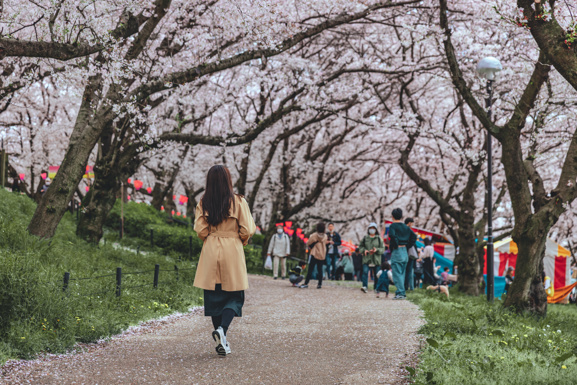
Cherry blossom season is in full swing in Japan during April, and it’s a major draw for tourists – with over 3 million visitors in 2024. Tokyo’s Ueno Park is one of the most famous spots to view the blossoms from, with a tree-lined avenue that turns into a sea of pink every spring.
Thousands head to the Ueno Cherry Blossom Festival this month to picnic beneath the blossoms and watch parades and live music, and Philosopher’s Path in Kyoto is another popular spot. Weather-wise, April is much milder than winter, but not as hot and humid as the summer months – so it’s widely considered one of the best months to visit Japan.
Japan in May
May is the last month of spring in Japan, and you can still catch the tail-end of cherry blossom season in northern regions like Hokkaido during the first half of the month. The weather during this month is generally mild and sunny, and Kanda Matsuri, one of Tokyo’s biggest festivals, happens every other year in May.
If you’re visiting during the first week of May, bear in mind that Golden Week runs from April 29 to May 5. It’s essentially four national holidays rolled into one: Shōwa Day, Constitution Memorial Day, Greenery Day and Children's Day. The combination of international visitors and locals making the most of a public holiday makes this one of the busiest travel seasons in Japan.
Japan in June
June is the start of summer in Japan, with average daily temperatures around 26°C in some areas. It’s also the start of Japan’s rainy season, which usually runs from early June to mid-July. The rain and high humidity this month encourages hydrangeas to bloom across the country, and it makes for a pretty spectacular sight.
As long as you visit fully prepared for the rain, you can often make the most of lower prices on things like flights and accommodation as well as significantly fewer crowds at temples and shrines. Don’t forget to bring some cash for these – although they’re generally free to enter, it’s customary to leave a small donation.
Japan in July
July is the second month of the rainy season across much of central Japan, although it’s important not to confuse it with typhoon season – which is later in the year. It’s still possible to get out and about during the wet season as it tends to bring mist-like rain and high humidity, rather than torrential downpours that might interrupt sightseeing plans.
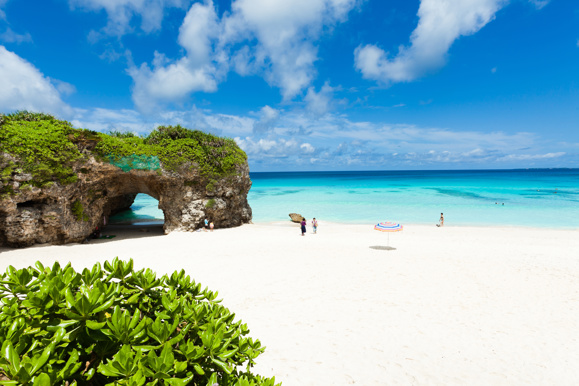
If you want to avoid the rainy season altogether, head to islands like Okinawa and Kerama – which enjoy temperatures around 29°C, minimal rainfall and comfortable sea temperatures in July.
Japan in August
August and September tend to be the most active months of Japan’s typhoon season, which runs from May to October. Typhoons are common, particularly in southern regions like Okinawa, which means heavy rain and storms are likely.
That said, August remains a popular time for visitors to Japan – particularly during the Bon holiday, also known as Obon, which is usually celebrated in the middle of the month. This, along with Awa Odori and Aomori Nebuta Matsuri festivals – plus some major summer fireworks festivals – makes August one of the busiest and most expensive times to visit Japan.
Japan in September
The second of Japan’s peak typhoon months, September sees a mix of heavy storms with hot and rainy days at the start of the month, moving into cooler temperatures towards the end of the month. It’s the wettest month of the year for southern islands like Okinawa, but it’s not all bad news. This is also the hottest location in Japan during September – with temperatures still reaching around 30°C.
There are lots of festivals held this month to mark the shift from summer into autumn, including Sapporo Autumn Fest in Hokkaido. In Osaka, giant wooden floats parade the streets as part of the Danjiri Festival – which has been running for more than 300 years.
Japan in October
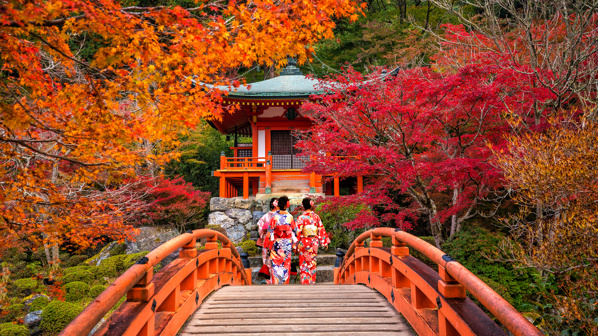
October marks the start of Japan’s second peak season: autumn. The colourful leaves that blanket the country during October and November draw thousands of visitors, and the lower temperatures make sightseeing and exploring Japan’s national parks much more comfortable.
Harvest festivals are popular in Japan during October, with traditional performances, live music shows and local foods on display. Nihonmatsu Lantern Festival is one of the highlights on the calendar this month – it’s the largest lantern festival in Japan and well worth making a special visit for.
Japan in November
Tokyo's ginkgo trees are in full bloom during November – especially along Meiji Jingu Gaien, a 300-metre avenue lined with hundreds of golden trees. The surrounding park hosts the Jingu Ginkgo Festival this month, and it’s filled with all sorts of food stalls. Bring some cash as the vendors here don’t always accept card payments, and enjoy an autumnal picnic with the locals.
The average temperature in Tokyo around late November is 14℃, so pack a coat if you’re staying into the evening. From late November to early December, the ginkgo trees are illuminated for a few hours every night – and it’s well worth staying out for.
Japan in December
Japan’s winter season officially starts in December, bringing low temperatures and snowy conditions – especially in the north. If you’re planning to ski, December can be a great time to book a trip as the start of the season draws smaller crowds.
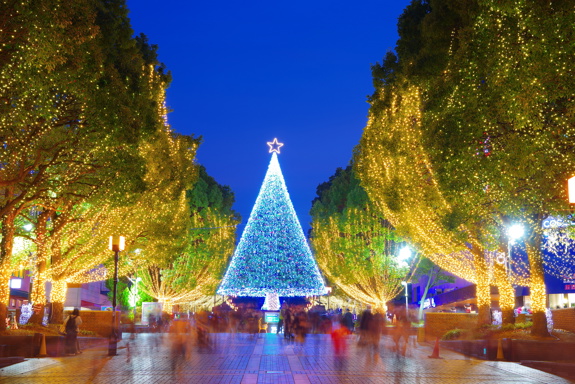
Temperatures in Tokyo can drop to a chilly 4°C and although it’s cold, this can be a good time to avoid the crowds and see the city lit up in festive lights. When you need to warm up after a day of exploring, pay a visit to a sento – a public bathhouse and an important part of Japanese culture. Just bear in mind that most places don’t accept card payments, so make sure you bring some Japanese yen for entry fees and towel rental.
When is typhoon season in Japan?
Typhoon season in Japan runs from May to October, peaking in August and September. Always check the weather in the area you’re visiting before you plan your trip to Japan, as different areas can experience typhoons at different times.
Don’t forget about taking spending money for activities in Japan
Japan is packed with things to see and do, so it’s worth researching average costs and entry fees before your trip. If you’re planning to visit Universal Studios Japan in Osaka, for example, it’s advisable to book up to two months in advance when tickets are released – and you can expect to pay around 8,900 Japanese yen for a day ticket. Other attractions, like Fushimi Inari Shrine, are free to enter but a donation in cash is encouraged – so make sure you exchange some Japanese yen in cash before you go. You’ll find more average prices in our guide to how much it costs to visit Japan.
Buying Japanese yen with Marks & Spencer Travel Money
Ready to go to Japan? Buy Japanese yen online for free collection from 580+ participating M&S stores*.
*T&Cs apply. Subject to availability.
Share with your friends


