-
You can now use Apple Pay and Google Pay online and in store.

What is the currency in Japan?
The official Japanese currency is the Japanese yen, which is represented by the currency code JPY and the symbol ¥. If you’re planning a trip to Japan – whether it’s to the bustling streets of Tokyo or the ornate temples of Kyoto – it’s worth getting familiar with the basics of Japanese currency before you go.
We’ve covered everything you need to know in our guide to the currency in Japan, including accepted payment methods, exchange rates and average costs. And when you’re ready, you can buy Japanese yen – ready to take on your trip.

What is Japanese currency?
The Japanese yen is the official and legal tender of Japan. It’s the third-most traded currency in the world after euros and US dollars, and it’s been in circulation since 1871 when it replaced Japan’s Tokugawa coinage.
Japanese yen comes in both coins and banknotes. When you’re shopping, you’ll see prices marked up with the ¥ symbol. You might also see this written as JP¥, to differentiate it from the Chinese yuan – which uses the same symbol.
Japanese yen denominations
Coins include:
¥1, ¥5, ¥10, ¥50, ¥100, ¥500
Banknotes include:
¥1,000, ¥2,000, ¥5,000, ¥10,000 yen
Is Japanese yen used anywhere else in the world?
No – Japan is the only country that uses Japanese yen as its official legal currency, so you won’t be able to spend it elsewhere. If you have leftover Japanese yen after a trip, you can sell currency back at a Travel Money bureau*.
What is the current exchange rate for Japanese Yen?
Exchange rates change all the time – you can use our currency calculator to check today’s GBP to JPY exchange rate.

What payment methods are accepted in Japan?
Cash is still king in Japan, which often comes as a surprise to travellers from the UK. We’ve broken down the most common payment options below, but your options will vary significantly depending on whether you’re visiting a popular tourist area – like Tokyo or Kyoto – or heading to a more remote destination in Japan.
Cash
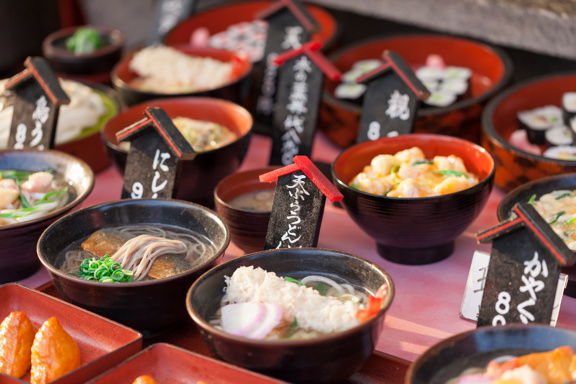
While card and digital payments are on the rise in Japan, there are lots of scenarios where you’ll need to have Japanese yen to hand – from paying for food in small restaurants and ramen shops, to leaving a donation at a temple or shrine. Likewise, you’re likely to need to pay in cash at many of Japan’s street markets, and when visiting a sento – a traditional Japanese bathhouse.
Debit and credit cards
Credit and debit cards are widely accepted in most areas of Japan, particularly in areas that are popular with tourists. It’s still worth informing your card issuer before you travel, to avoid your transactions being flagged as suspicious. Bear in mind that debit and credit card transactions in Japan may incur fees from your card issuer back home, including a non-sterling transaction fee, so always check before you travel. And keep in mind that while card payments are increasingly popular here, you’ll still need at least some cash to hand in many locations.
Digital wallets (Google/Apple Pay)
Digital payment methods are rising in popularity in Japan, and both Google Pay and Apple Pay are widely used here. Many of the local cashless payment methods require a Japanese phone number or bank account to set up, but a transit IC card – a type of top-up payment card – is a popular option with anyone visiting for more than a few weeks. The most popular options in Tokyo are Suica and Pasmo, and although they’re mainly used on trains and buses you can also use them to pay for things at vending machines and in some shops and restaurants.

How much money should I take with me?
At the time of writing, the cost of living in Japan is around 29.7% lower than in the United Kingdom, so you may find your money goes further here.
The amount of money you’ll need to budget will depend on what your travel plans are when you arrive. We’ve covered a few basic costs in Japan vs the UK below* to get you started, but it’s worth researching the cost of specific things – like entrance fees to well-known attractions, for example – to get a clearer idea of your budget before you go. Take a look at our guide to how much it costs to visit Japan for more info to help you budget.
A mid-range three-course meal for two: £65.00 in the UK vs £23.73 (5,000.00 ¥) in Japan
A small domestic draught beer: £5.00 in the UK vs £2.37 (500.00 ¥) in Japan
A regular cappuccino: £3.47 in the UK vs £2.28 (481.22 ¥) in Japan
A one-way ticket on local transport: £2.50 in the UK vs £1.06 (222.50 ¥) in Japan
*Example prices from Numbeo.com correct as at January 2026. All prices are illustrative.
Buying Japanese yen with M&S Travel Money
Ready to go? Buy Japanese yen online for Click & Collect from your nearest participating M&S store*.
*T&Cs apply. Subject to availability. Sell-back only available at bureau locations.
Share with your friends


