-
Get a £5 M&S voucher with your currency when you collect in a bureau. Find out how.

What is the currency in Egypt?
Egypt’s currency is the Egyptian pound, so if you’re heading to the beaches of Sharm El Sheikh, the city streets of Istanbul or the monumental Pyramids of Egypt, this is the currency to exchange before you go.
Knowing the basics of Egyptian currency can make it much easier to plan and budget for your trip, and also keep things running smoothly while you’re away. So, we’ve covered everything you need to know in this Egypt currency guide – from average costs to accepted payment methods. And when you’ve worked out how much you need, you can buy your Egyptian pounds online.
What you need to know about the Egyptian pound
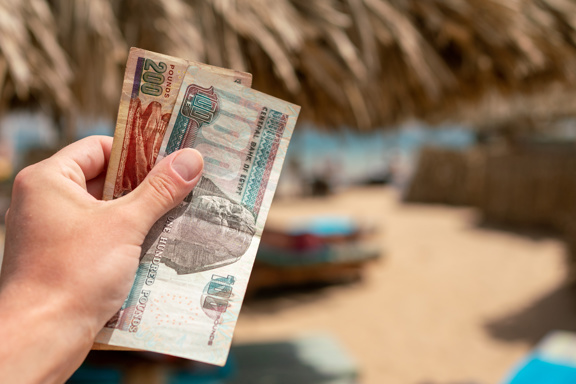
The Egyptian pound (EGP) is the official currency of Egypt. It was introduced as the country’s legal tender in 1834, replacing the Egyptian piastre.You’ll often see Egyptian pounds abbreviated as E£, £E or LE and the currency comes in both coins and banknotes.
Egyptian pound denominations
Coins include:
25 PT, 50 PT, E£1
Banknotes include:
E£5, E£10, E£20, E£50, E£100, E£200
Is the Egyptian pound used anywhere else in the world?
No – the Egyptian pound isn’t used anywhere else in the world, so you won’t be able to spend it elsewhere if you’ve got some left over after a trip. The good news is, you can sell currency back at an M&S Travel Money bureau if you don’t have another Egypt trip planned soon*.
What is the current exchange rate for the Egyptian Pound?
Exchange rates change all the time and are influenced by lots of factors. Use our currency calculator to get today’s GBP to EGP exchange rate.
What currencies can you use in Egypt?
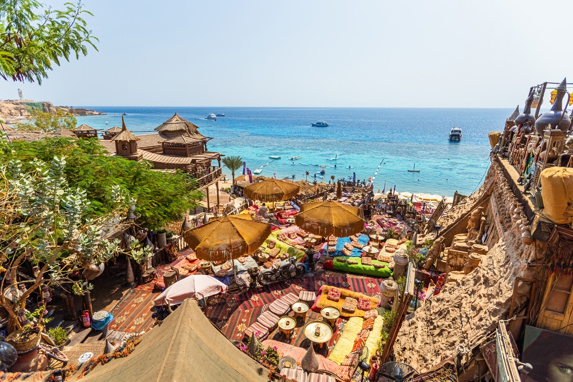
While the Egyptian pound is Egypt’s only official currency, you might find that euros, British pounds and US dollars are accepted in some particularly tourist-focussed areas, like Cairo and Sharm El Sheikh. There’s no guarantee that these currencies will be accepted, though, so it’s recommended to take Egyptian pounds with you on your trip.
When you’re making card payments in Egypt, you might also notice that you’re asked whether you’d like to pay in Egyptian currency or another currency, like British pounds or euros. To avoid additional card fees it may be better to choose Egyptian pounds, and we’ve explained why in our guide to paying in the local currency or pounds when abroad.
What payment methods are accepted in Egypt?
Cash, card and digital wallets are all popular payment methods in Egypt, so it’s a good idea to have multiple payment options with you when you travel. We’ve looked more closely at each of the methods and when it might be best to use them below.
Cash
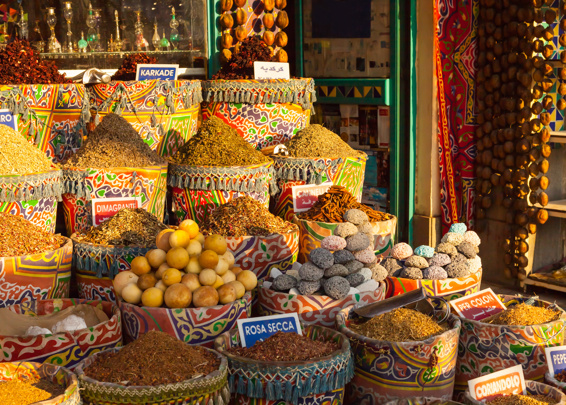
Cash is still the most popular payment method in Egypt, despite a rise in digital payment options. Some shops and businesses, particularly smaller or more rural ones, will only accept cash payment – and the same applies to many market stalls and street food vendors. It’s also customary to leave a tip for service staff like waiters, hotel attendants and taxi drivers in Egypt. That can range from a small cash tip of around 100EGP (just over £1.50) in a cafe, to 10% of the bill in a more formal restaurant.
Debit and credit cards
Card payments are widely used at established businesses like restaurants, large shops and hotels in Egypt, and you’ll find Visa and Mastercard are widely accepted. American Express is less common, so it’s worth checking acceptance in your destination before you travel, and carrying a back-up card payment method.
Digital wallets
Apple Pay launched in Egypt in 2024 and is widely accepted at businesses that are set up to take digital payments. While Google Wallet was launched in Egypt in 2025, tap-to-pay isn’t yet available – so you can’t make contactless payments using this method. Vodafone Cash and InstaPay are other popular digital wallets used in Egypt, but acceptance varies – so cash and card payments are often the most popular and reliable options if you’re visiting the country.
How much money should I take with me?
At the time of writing, the cost of living in Egypt is around 68.3% lower than it is in the United Kingdom. That means you may find prices for things like food and accommodation are comparatively lower, although your overall travel budget will depend on your plans, the length of your trip, and where you’re staying. We’ve included some example costs in Egypt vs the UK below* to give you a starting point.
A mid-range three-course meal for two: £65.00 in the UK vs £15.53 (E£1,000.00) in Egypt
A small domestic draught beer: £5.00 in the UK vs £1.25 (E£80.00) in Egypt
A regular cappuccino: £3.50 in the UK vs £1.18 (E£75.89) in Egypt
A one-way ticket on local transport: £2.50 in the UK vs 23p (E£15.00) in Egypt
*Example prices from Numbeo.com correct as at February 2026. All prices are illustrative.
Buying Egyptian pounds with Marks & Spencer Travel Money
Ready to go to Egypt? Don’t forget to take some local currency in cash to use alongside card payments. You can buy Egyptian pounds online to collect for free from 580+ participating M&S stores*.
*T&Cs apply. Subject to availability. Sell-back only available at bureau locations.
Share with your friends


