-
You can now use Apple Pay and Google Pay online and in store.

When is the best time to visit Thailand?
The best time to visit Thailand all comes down to what you want to do when you get there. Planning a beach holiday? November to February is the country’s dry season, with plenty of sunny days, little rain, and warm temperatures ideal for sightseeing. Unsurprisingly, this is also peak season for tourists.
Hot season, from March to May, can see very high temperatures – particularly in northern Thailand – minimal breeze and little rain. For that reason, visitors often head to the southern areas during these months.
On the other hand, rainy season – from May to October – is considered off-season and can be a cheaper time to visit Thailand if you’re on a budget. That’s because it tends to be less popular with visitors due to the unpredictable weather and potential flooding in some locations.
We’ve taken a closer look at the best time to visit Thailand based on factors like seasonal festivals, average costs, and Thailand weather by month. Decided when to go? Don’t forget to order Thai baht from Marks & Spencer Travel Money in advance, ready to spend on your trip*.
Thailand in January
January is considered one of the best months to visit Thailand in terms of weather, with warm, dry conditions across most regions. It’s peak tourist season and a popular winter sun destination, so prices for things like flights and accommodation are likely to be higher than off-peak months, and queues for major attractions may be longer. Depending on the year, Chinese New Year sometimes falls in late January.
Thailand in February
February is the last month of Thailand’s dry season, with warm days and little rainfall, perfect for exploring or relaxing on the beach. Average prices are still high in February thanks to tourist demand, but crowds are often a little smaller this month. Depending on the year, Chinese New Year can fall in February, and cities including Bangkok hold colourful flower festivals this month.
Thailand in March
March is the start of Thailand’s hot season, with rising temperatures and plenty of sunshine. The weather can feel intense inland, especially in Bangkok and the north, but beach destinations in the south benefit from a sea breeze. Prices often start to dip slightly as visitor numbers drop due to rising temperatures. March is also when locals enjoy a public holiday for Makha Bucha, an important Buddhist festival that’s also celebrated in Sri Lanka and Cambodia.
Thailand in April
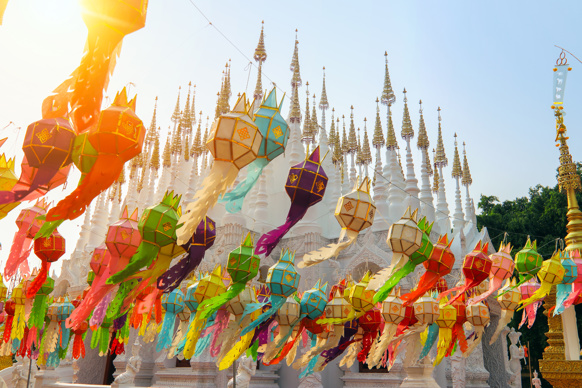
April is the hottest month of the year in Thailand, with temperatures often peaking above 35°C. If you can bear the heat, Songkran – the Thai New Year – makes this a great time to visit. Expect water fights and street parties that last several days. Average prices rise slightly in April as both locals and tourists join in with the festivities.
Thailand in May
In May, Thailand’s hot season starts to move into the rainy season, with showers becoming more common and higher humidity levels. Visitor numbers tend to dip, as do hotel and flight prices, so May can be a good time to visit if you’re on a budget. Bangkok hosts the Royal Ploughing Ceremony this month, which marks the start of the rice-growing season.
Thailand in June
June in Thailand is firmly in the rainy season, but showers are often short-lived and followed by sunshine. Thanks to the rain, this is when the countryside is at its most lush. Tourist numbers are also relatively low, so you might find good deals on flights and accommodation this month. Some regions celebrate local fruit festivals in June, showcasing tropical produce like durian and rambutan. Bring some Thai baht to taste-test your way around the markets, and read our guide to find out how to keep money safe when travelling abroad.
Thailand in July
July is still part of Thailand’s rainy season, with regular showers and lots of lush, green scenery. Prices are still relatively low compared to the dry season, and you’ll find queues for attractions are often shorter due to lower visitor numbers. Northern provinces like Chiang Mai host candle processions during Asahna Bucha Day, a major Buddhist holiday.
Thailand in August
August is one of Thailand’s wetter months, but it’s still a beautiful time to visit. Rain showers are common, although islands like Koh Samui can experience slightly more stable weather. Prices for flights and accommodation are usually lower than peak-season months. As for festivals, the Queen Mother’s birthday on August 12 is a celebration of mothers nationwide, with parades and candlelight ceremonies.
Thailand in September
September is often the wettest month in Thailand, with frequent rain and occasional storms. While that can make outdoor plans tricky, the scenery looks incredible and waterfalls are at their peak. September is less popular with tourists than other months, so you’re likely to find lower prices. Due to the weather, festivals in September tend to be smaller, localised affairs – but there’s still plenty going on.
Thailand in October
October marks the end of the rainy season, and the weather becomes more comfortable – although you can still expect showers this month. Tourist numbers start to rise again, but prices remain lower than the high season. The Vegetarian Festival takes place around this time in Phuket and other cities – featuring vibrant street processions and lots of imaginative meat-free food to try.
Thailand in November
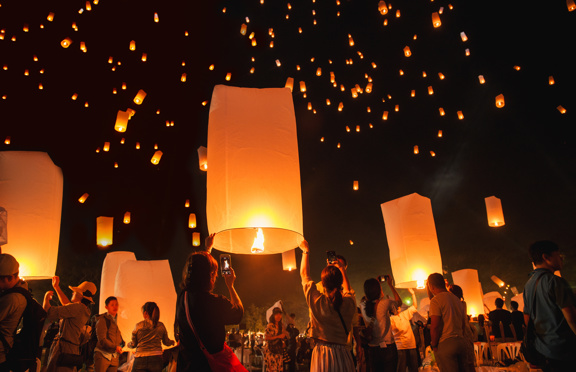
November is the start of Thailand’s dry season. Weather-wise, that means minimal rain and warm temperatures that make beach days and temple tours possible. As this is also the start of Thailand’s peak season, visitor numbers start to go up this month, as do prices for things like flights and accommodation. November is also when Loy Krathong, Thailand’s festival of lights, takes place – when locals release floating lanterns on lakes and rivers.
Thailand in December
December in Thailand is characterised by plenty of sunshine – the opposite to the chilly weather in the UK. It’s one of the most popular months to visit, especially with tourists seeking a dose of winter sun, so prices for hotels and flights are at their highest – particularly around Christmas and New Year. In terms of events, there are all sorts of things to experience this month, from flower and music festivals to New Year fireworks displays.
When is monsoon season in Thailand?
The rainy or 'monsoon' season in Thailand is considered to be from July to October, with rainfall levels often at their highest in September.
What is the hottest month in Thailand?
Thailand’s hottest month is usually April, although May – particularly the first few weeks of it – can also see very high temperatures.
Don’t forget your spending money
When you’ve settled on which month to visit Thailand, it’s worth checking ahead to see if popular attractions need to be booked in advance. Particularly in peak season, this might save you from having to queue – or even from missing out.
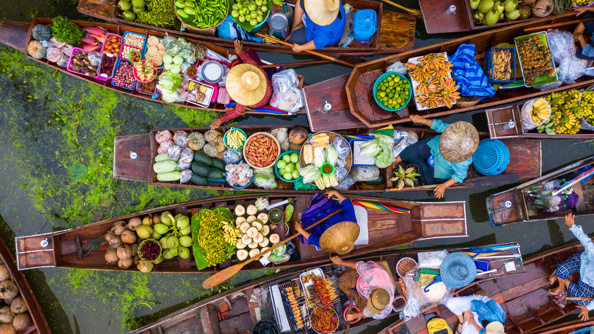
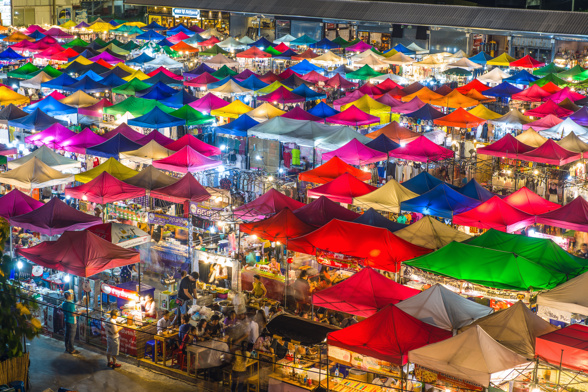
It’s also worth making sure you have some spending money to hand in cash, for activities like shopping at Thailand’s many floating markets, and snacking on street food at the country’s famous night markets. Read our guide to Thai currency to work out how much you might need to exchange before your trip.
Buying Thai baht with M&S Travel Money
Ready to go to Thailand? Order your Thai baht online for Click & Collect with no commission and no hidden fees*.
*T&Cs apply. Subject to availability.
Share with your friends


